Funny She Believed She Could but She Was
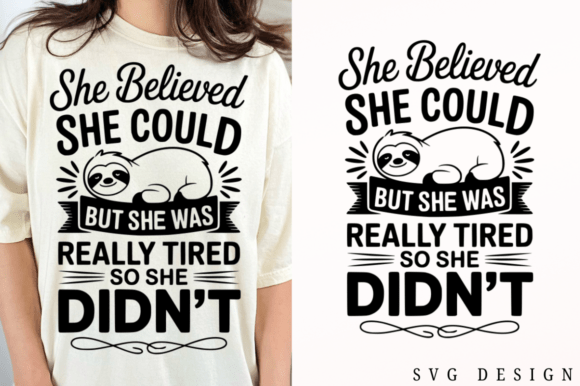
When I first opened the file for Funny She Believed She Could but She Was, I didn't just see a quote; I saw a mood. As someone who has stitched thousands of designs for clients and craft fairs, I know that the difference between a generic motivational piece and a design that actually sells lies in its personality. This piece captures the specific, relatable exhaustion of modern life with a wink. It isn't trying to be a stiff corporate poster or a generic nursery rhyme. Instead, it feels like something a friend would say while handing you a coffee on a Monday morning. That immediate emotional connection is exactly what makes this machine embroidery design stand out from the sea of standard graphics.
The layout of the text suggests a playful rhythm. The phrase is split into two distinct thoughts: the initial optimism and the sudden reality check. In terms of visual balance, this creates a natural pause that works beautifully when converted into stitches. For an embroidery project involving custom apparel, this kind of pacing prevents the design from looking cluttered or overwhelming on smaller garments. The font choice appears sturdy enough to hold up under tension but retains enough character to feel handcrafted rather than mass-produced. When I look at this as a potential asset for my shop, I immediately think about how it translates from a digital screen to a physical fabric surface.
Real-World Application: The Tote Bag Scenario
To truly understand the value of this design, let's imagine a real scenario. I am preparing a batch of custom embroidered tote bags for a local artisan market. The goal is to create a product that resonates with busy moms, teachers, or small business owners who need a practical bag but also want a little humor in their day. Most motivational quotes on totes are too serious or cliché. However, Funny She Believed She Could but She Was hits the sweet spot.
I envision placing this design on the front panel of a heavy canvas tote. The text would serve as the focal point, drawing the eye immediately. Because the quote is slightly longer, it allows for a horizontal orientation that fills the space without needing excessive negative space around the edges. When a customer picks up the bag, they read the top line with a nod of recognition, and then smile at the punchline. This interaction increases the perceived value of the item. It transforms a simple utility bag into a statement piece that reflects the wearer's personality. For an Etsy seller or a boutique owner, this level of engagement is crucial for driving sales and encouraging social media shares.
This same logic applies to sweatshirt embroidery. Imagine a cozy, oversized hoodie for a home office worker. The design sits perfectly over the heart area, offering a subtle reminder of the wearer's resilience (or lack thereof) during a long workday. The humor softens the blow of stress, making the garment more than just clothing; it becomes a conversation starter. Whether it is for a baby item, a holiday gift, or a personalized apron for a baker, the versatility of the message ensures it fits various niches within the crafts and graphics categories.
Technical Performance and Stitch Clarity
From a technical standpoint, the success of any digital embroidery file depends on how well it handles different stitch types. While I cannot verify the exact stitch count without running the file through my machine, the structure of this design suggests a strong reliance on satin stitch for the lettering to ensure crisp edges. Satin stitch is essential for text legibility, especially on stretchy fabrics like t-shirts or jersey knit where distortion can easily occur.
If the design includes decorative elements or outlines, I would expect them to utilize fill stitches to provide texture and depth. However, one must be cautious with dense stitch areas. If the text is too tight together, the threads might pull against each other, causing puckering on lightweight materials. This is particularly important when considering products like tea towels or pillow covers made from thinner cotton blends. For these items, a lighter touch in the digitization process is necessary to maintain the fabric's drape.
The contrast of thread colors will play a massive role in the final aesthetic. On a dark fabric background, using a light, high-luster thread will make the text pop, ensuring the message is readable even from a distance. Conversely, on a white or pastel background, a darker thread provides a classic, clean look. I recommend testing the design in black and white mockups before committing to a full production run. This helps visualize the density and spacing without the distraction of color choices.
Where to Exercise Caution
While this design is versatile, there are specific situations where it requires careful handling. Small hoop sizes present a challenge for text-heavy designs. If the letters are too small relative to the hoop diameter, the detail can get lost, and the text may become illegible after stitching. Similarly, textured fabrics like corduroy or bouclé can obscure fine details. The uneven surface might catch the needle or prevent the thread from laying flat, resulting in a muddy appearance.
Curved surfaces, such as caps and hats, demand precise curvature adjustments in the digitization. A straight-line design placed on a curved brim can look distorted if not properly compensated. Additionally, thin or highly stretchy fabrics require robust stabilizer support. Without adequate backing, the tension of the embroidery could cause the fabric to pucker significantly, ruining the professional finish of the finished product. For commercial embroidery projects intended for frequent washing, the stability of the design is paramount. Ensure that the underlay stitches are sufficient to anchor the design securely to the fabric.
Practical Designer Notes for Success
Before integrating Funny She Believed She Could but She Was into your inventory or personal collection, there are several steps every designer should take. First and foremost, always test the design on scrap fabric. This allows you to assess the thread tension, stitch density, and overall look without risking your final material. Check the thread color contrast carefully; sometimes a color looks perfect on screen but disappears once stitched due to lighting conditions or fabric texture.
Review the stitch density settings in your software. If the design is too dense, it may be difficult to embroider on certain machines or may require multiple passes, increasing the risk of errors. Confirm the hoop size requirements to ensure the design fits your intended product dimensions. Inspect small details closely; tiny serifs or sharp corners can sometimes break or blur if the resolution is not high enough or if the digitization is poor.
For those selling finished items or digital assets, confirm the licensing terms explicitly. Understanding whether you have the right to sell the physical products created with this file is critical for protecting your craft business and avoiding legal issues. Also, compare the design on both light and dark fabric backgrounds to ensure it maintains its impact across different product lines. Finally, use proper stabilizer appropriate for the weight of the fabric you are working with. This simple step often separates a amateur-looking result from a professional-grade piece.
In conclusion, Funny She Believed She Could but She Was offers a refreshing take on motivational themes that resonates deeply with today's audience. Its blend of sarcasm and truth makes it a valuable addition to any collection of design assets. By approaching it with the right technical preparation and creative vision, designers and small shop owners can create handmade products that not only look great but also connect emotionally with customers. Whether it ends up on a patch, a kitchen towel, or a boutique shirt, this design has the potential to bring a smile to faces everywhere.