Plant These Save the Bees SVG Cut File D: A Designer's Stitch Test
I have spent years reviewing digital assets for my own embroidery business and for clients who need reliable design files. When I first opened Plant These Save the Bees SVG Cut File D, I wasn't looking for a pretty picture; I was looking for a functional tool that could survive the rigors of real-world stitching. In the world of Crafts and Graphics, there is often a disconnect between how a vector looks on a screen and how it translates to thread on fabric. This review focuses entirely on that transition, evaluating whether this specific file deserves a spot in your production queue.
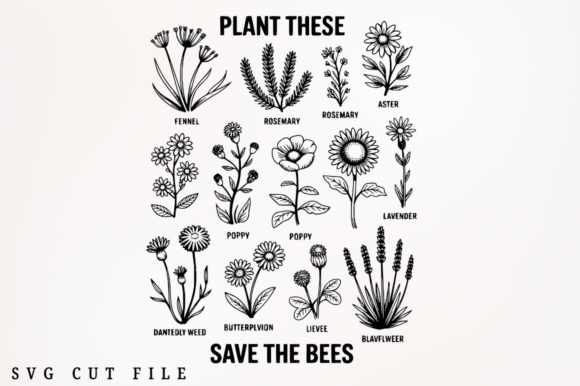
The immediate mood of Plant These Save the Bees SVG Cut File D is one of gentle advocacy mixed with rustic charm. It captures the essence of a bee-friendly garden without feeling cluttered or overly complex. For an embroidery designer, the layout is crucial because it dictates how the machine will read the design. The shapes appear clean, which suggests that the digitizing process (or the vector preparation) has been handled with care. There is a sense of movement in the petals and wings that feels organic rather than stiff. This visual personality makes it a natural fit for projects that aim to convey warmth, nature, and sustainability.
Let me walk you through a real scenario where I would deploy this design. Imagine I am preparing a custom order for a boutique shop owner who specializes in eco-conscious mother-and-baby products. They need a unique addition to their line of baby onesies and muslin swaddles. The client wants something that isn't just a generic flower but carries a message about pollinators. Plant These Save the Bees SVG Cut File D fits this brief perfectly. On a soft, white cotton onesie, the design would likely pop with high contrast if paired with bright yellow and black threads. However, the decision to use this file requires more than just aesthetic approval; it demands technical scrutiny.
When considering Plant These Save the Bees SVG Cut File D for commercial embroidery, such as sweatshirt embroidery or tote bag designs, the stitch density becomes the primary concern. If the file contains too much fill stitch in the center of the bee or the flower heads, the fabric might pucker, especially on lighter weight materials like t-shirts or aprons. A professional designer knows that dense areas can distort the shape over time, particularly after multiple wash cycles. Before committing to a full run of holiday gifts or wedding favors, I always recommend testing the design on scrap fabric first. This step reveals whether the stabilizer choice is adequate and if the tension settings need adjustment.
The versatility of this design extends beyond simple apparel. I see strong potential for embroidered patches or decorative accents on kitchen towels. The clean lines of the SVG suggest it could handle satin stitch well, creating a smooth, glossy finish on the edges of the bee wings or the outline of the text. For small business owners and Etsy sellers, this clarity is vital for product value. A crisp, well-stitched design signals professionalism and builds customer trust. Conversely, if the details are too fine, they may disappear into the weave of the fabric, making the finished product look muddy or unfinished.
However, there are specific situations where Plant These Save the Bees SVG Cut File D requires caution. Using this design on curved surfaces like caps or hats can be tricky. While the vector might look perfect flat, the curvature of a cap can stretch the stitches, potentially causing the lettering or the finer details of the flower to gap. Similarly, textured fabrics, such as heavy denim or fleece, can swallow up smaller elements of the design. If you are working with thin or stretchy fabric, the risk of distortion increases significantly. In these cases, the design might need to be resized or simplified to ensure the final product remains legible and durable.
For those creating personalized gifts, the emotional connection is paramount. A design that fails to hold its shape can detract from the sentiment behind the gift. Whether it is a nursery decor item for a new parent or a custom patch for a child's backpack, the integrity of the stitching matters. Plant These Save the Bees SVG Cut File D offers a charming theme that resonates with buyers who value environmental stewardship. But to truly deliver on that promise, the execution must be flawless. This means paying close attention to thread colors and ensuring they provide enough contrast against the background fabric. Dark fabrics, for instance, might require a different color palette or a light underlay to make the design visible.
From a workflow perspective, having both SVG and EPS files is a significant advantage for designers who work across different software platforms. This flexibility allows for easy resizing and manipulation before the final export to the embroidery machine format. However, it is critical to verify the license terms before selling finished items or using the design as part of a commercial embroidery project. Many creators overlook the distinction between personal and commercial rights, which can lead to legal issues down the line. Always confirm what the seller explicitly states regarding usage rights for digital downloads.
Here are some practical notes for anyone integrating Plant These Save the Bees SVG Cut File D into their production:
- Test First: Always stitch a sample on the exact fabric you intend to use for the final product. This helps identify potential issues with puckering or thread breakage.
- Check Density: Review the stitch density in your digitizing software. If the fill areas are too dense, consider adjusting them to prevent fabric distortion.
- Stabilizer Selection: Use the appropriate stabilizer for your fabric type. Heavy cut-away stabilizers are often needed for stretchy fabrics to maintain stability during stitching.
- Color Contrast: Ensure your thread choices offer sufficient contrast. High-contrast combinations generally yield better visibility and a more professional look.
- Hoop Size: Confirm that your hoop size accommodates the design dimensions. Designs that are too large for the hoop may shift during stitching, ruining the alignment.
- Mockups: Create black and white mockups to visualize the design's silhouette and ensure the layout works before investing in physical materials.
Ultimately, Plant These Save the Bees SVG Cut File D is a solid candidate for crafters, handmade shop owners, and creative entrepreneurs looking to add a touch of nature-inspired artistry to their inventory. Its theme is timely and appealing, and the file structure appears ready for professional use. By approaching it with a critical eye and following standard quality control measures, you can transform this digital asset into a tangible, high-value product. Whether it ends up on a baby's outfit, a boutique tote, or a holiday ornament, the key lies in the execution. With the right setup, this design can elevate your brand and delight your customers, proving that good graphics can indeed translate into beautiful, wearable art.